




Hell Knight Fighter (Unearthed Arcana) — Full Breakdown, Power Level, and Best Builds
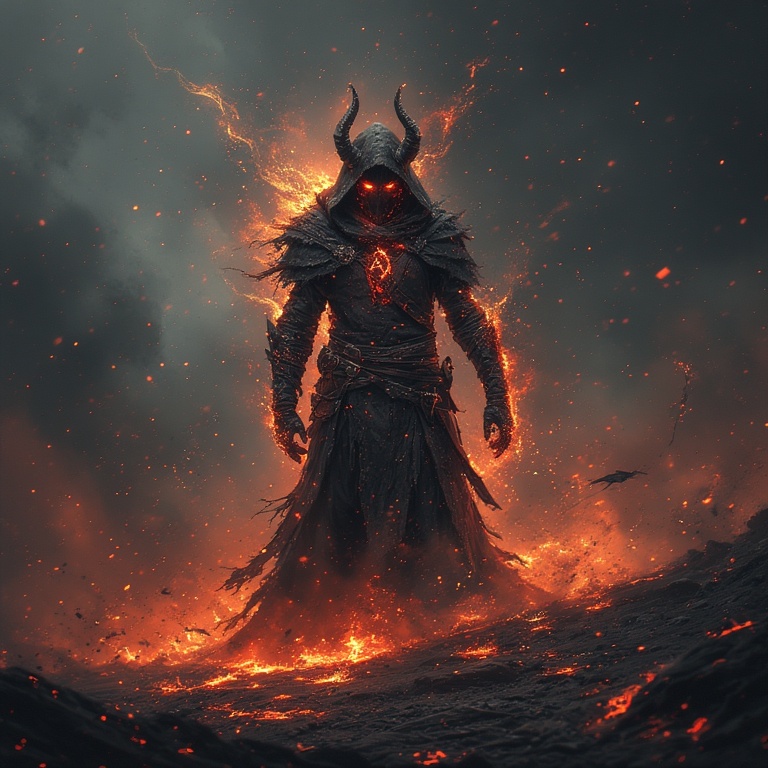
The Unearthed Arcana “Villainous Options” release leans heavily into dark fantasy themes, and the Hell Knight Fighter stands out as one of the most compelling martial options in the document. This subclass blends infernal flavor with straightforward, hard-hitting  mechanics, offering players a darker alternative to traditional fighter archetypes.
In this breakdown, we’ll look at how the Hell Knight functions, how it compares to other fighter subclasses, and what kinds of builds bring out its full potential.
What Is the Hell Knight Fighter?
The Hell Knight is a martial subclass centered around infernal power. Rather than relying on tactical maneuvers or magical versatility, it enhances the Fighter’s core strengths with:
- Bonus damage through hellfire or necrotic energy
- Fear-based control effects
- A limited resource system to fuel key abilities
The result is a subclass that focuses on sustained offense and battlefield pressure, with a strong thematic identity tied to devils, contracts, and corruption.
Core Features Breakdown
Infernal Resource System
At early levels, the Hell Knight gains access to a pool of infernal power (typically scaling with proficiency bonus). This resource fuels most of the subclass’s abilities, including:
- Adding extra damage to weapon attacks
- Triggering fear effects
- Enhancing survivability in combat
This system is comparable to the Battle Master’s superiority dice, though it is generally more offense-oriented and less flexible.
Assessment: A solid and intuitive mechanic that supports consistent damage output without overcomplicating gameplay.
Hellfire Strikes
A defining feature of the subclass is the ability to enhance weapon attacks with additional damage, usually fire or necrotic. These strikes may also include secondary effects such as:
- Damage over time
- Debilitating conditions
- Fear triggers
Because Fighters gain multiple attacks, this bonus damage scales effectively throughout the game.
Assessment: Reliable and efficient damage scaling that rewards staying engaged in melee combat.
Fear and Dread Effects
As the Hell Knight progresses, it gains access to fear-based abilities that can:
- Frighten enemies
- Impose disadvantage on attacks
- Disrupt positioning and movement
These effects add a layer of control to an otherwise damage-focused subclass.
Assessment: Strong against low-Wisdom enemies, but somewhat inconsistent against higher-level foes with strong saving throws.
Infernal Resilience
Mid-level features typically improve survivability through:
- Resistance to fire damage
- Temporary hit points gained during combat
- Reactive damage or punishment effects
These features allow the Hell Knight to remain in the thick of combat without sacrificing offensive pressure.
Assessment: Well-balanced defensive tools that complement the subclass’s aggressive playstyle.
High-Level Features

At higher levels, the Hell Knight becomes a significant battlefield threat, capable of:
- Delivering strong burst damage when needed
- Applying pressure to multiple enemies
- Sustaining itself through extended encounters
Assessment: Solid late-game scaling that keeps the subclass competitive without pushing it into overpowered territory.
Power Level Comparison
Top-Tier Fighter Subclasses
The strongest Fighter subclasses typically include:
- Battle Master
- Echo Knight
- Rune Knight
Compared to these options, the Hell Knight trades flexibility and utility for simplicity and consistent damage.
- It lacks the tactical depth of the Battle Master
- It cannot match the mobility and creativity of the Echo Knight
- It offers less utility than the Rune Knight
However, it remains competitive in terms of raw damage output and ease of use.
Conclusion: Slightly below top-tier, but still a strong and viable option.
Mid-Tier Subclasses
When compared to mid-tier options:
- Champion: The Hell Knight is more engaging and significantly more impactful
- Samurai: The Hell Knight offers more consistent damage, though less burst potential
- Eldritch Knight: The Hell Knight trades spellcasting utility for stronger sustained offense
Conclusion: Firmly in the upper range of mid-tier subclasses.
Lower-Tier Subclasses
Compared to options like the Purple Dragon Knight (Banneret), the Hell Knight is:
- More mechanically cohesive
- More impactful in combat
- Easier to build around
Conclusion: A clear improvement over weaker Fighter archetypes.
Strengths of the Hell Knight
The Hell Knight excels in several key areas:
Consistent Damage Output
Its abilities scale naturally with Extra Attack, allowing it to maintain steady pressure across all tiers of play.
Simple and Effective Design
The subclass is easy to understand and use, making it accessible without sacrificing effectiveness.
Battlefield Presence
Fear effects and damage enhancements make the Hell Knight difficult for enemies to ignore.
Weaknesses of the Hell Knight
Despite its strengths, the subclass has some limitations:
Limited Utility
Most of its features are combat-focused, offering little outside of battle.
Damage Type Constraints
Reliance on fire damage can be problematic against resistant or immune enemies.
Save Dependency
Fear effects rely on enemy saving throws, which become less reliable at higher levels.
Best Builds for the Hell Knight Fighter

Zariel, the fallen angel who rules Avernus in the Nine Hells, as seen in Mordenkainen’s Tome of Foes. [Image courtesy Wizards of the Coast]
Great Weapon Damage Build
This build focuses on maximizing damage output through heavy weapons.
Key Features:
- Greatsword or maul
- Feats such as Great Weapon Master
- High Strength and Constitution
Playstyle:
Prioritize high-damage attacks and use infernal abilities to amplify key hits. This build thrives when supported by allies who can grant advantage.
Sword and Shield Control Build
This approach emphasizes durability and battlefield control.
Key Features:
- Sword and shield loadout
- Feats such as Sentinel and Shield Master
Playstyle:
Hold the front line, lock down enemy movement, and use fear effects to disrupt opponents while protecting allies.
Sustain and Attrition Build
This build is designed for longer encounters and multi-enemy fights.
Key Features:
- High Constitution
- Feats like Tough or Resilient (Constitution)
Playstyle:
Remain in combat as long as possible, using subclass features to gain temporary hit points and maintain pressure across multiple targets.
Roleplaying the Hell Knight
The Hell Knight fits naturally into darker or morally complex campaigns. Common character concepts include:
- A warrior bound by an infernal contract
- A fallen knight wielding forbidden power for a perceived greater good
- A conqueror empowered by the forces of the Nine Hells
This subclass works particularly well in settings that emphasize corruption, temptation, or infernal influence.
Final Verdict
The Hell Knight Fighter is a strong and well-designed subclass that offers a clear identity and reliable performance.
Strengths:
- Consistent and scalable damage
- Straightforward mechanics
- Strong presence in combat
Weaknesses:
- Limited versatility
- Reliance on specific damage types
- Some dependence on enemy saving throws
Overall Rating: A Tier
It may not reach the flexibility or power ceiling of the very best Fighter subclasses, but it provides a satisfying and effective alternative for players who want a darker, more aggressive martial character.
Thanks for reading. Until Next Time, Stay Nerdy!!
SEO Summary
Keywords:
Hell Knight Fighter 5e, Unearthed Arcana Fighter subclass, infernal fighter build 5e, best fighter subclasses 5e, dark knight build D&D
Meta Description:
A complete breakdown of the Hell Knight Fighter from Unearthed Arcana, including power level comparisons, strengths and weaknesses, and the best builds for this infernal warrior in D&D 5e.



No Comments